




One of the great paradoxes of wine collecting is that no two bottles are ever exactly alike. Even wines from the same case—produced on the same day, filled from the same tank—can evolve differently over time. This phenomenon, known as bottle variation, is both fascinating and frustrating.
For collectors opening a prized bottle for a special occasion, bottle variation can shape the entire experience. Sometimes the wine shines; other times it may seem muted or prematurely aged. Understanding what causes these differences is essential for setting expectations, managing risk, and preserving value.
The good news? While bottle variation can never be eliminated entirely, proper provenance dramatically narrows the range of outcomes.
The Primary Cause: Natural Cork Variation
Cork is a natural material. No two corks are identical in:
- Density
- Elasticity
- Permeability
- Cell structure
- Moisture retention
This means each bottle receives a slightly different rate of oxygen exchange over time. Oxygen is essential to aging—too much accelerates it, too little slows it.
Even tiny differences in cork permeability can produce noticeable variations after 10, 20, or 30 years.
Typical outcomes:
- A slightly more permeable cork: faster evolution, softer structure, earlier maturity
- A tighter cork: slower development, more freshness, longer aging potential
This natural, organic variability is the single largest contributor to bottle variation in well-stored wines.
Temperature History Shapes Bottle Evolution
Even with perfect corks, wines evolve at different speeds depending on their environmental history. Temperature stability is the most important factor here.
Small fluctuations—especially over years—cause:
- Micro-expansion and contraction
- Greater oxygen exchange through the cork
- Noticeable differences in maturity
Two bottles from the same case may show entirely different personalities if one experienced even brief periods of:
- Heat during transportation
- Warm conditions during retail display
- Fluctuating temperatures in a home cellar
- Time spent in a non-climate-controlled environment
Professional storage minimizes this by ensuring uniform, documented, stable conditions.
Fill Levels (Ullage) Tell the Story
Ullage reflects how much liquid has evaporated over time. Higher ullage generally means:
- Greater oxygen exposure
- Faster aging
- Lower reliability
Variation in ullage is normal in older bottles, but significant differences within the same case almost always reflect inconsistent storage environments.
Auction houses scrutinize fill levels for this very reason.
Sediment Distribution & Handling History
Sediment formation is normal in fine red wines. But variation in:
- How long bottles rested upright
- How frequently they were moved
- Whether they were shipped late in life
can subtly influence expression.
Even a short jostling or recent transport can mute aromatics temporarily. This is why “bottle shock” is a real consideration—even in mature wines.
Winemaking Factors: Bottling Differences
Though less common today, bottling variation used to be much more pronounced. Before modern technology, producers often bottled by hand—leading to differences in:
- Fill volume
- Sulfur levels
- Oxygen exposure at bottling
- Batch composition
Even now, there are deliberate variations:
- Some producers use multiple bottling runs
- Larger estates bottle from different tanks or barrels
- Cork batches may differ slightly between runs
Collectors of Burgundy, Barolo, and other traditionally made wines are well aware of these bottling nuances.
Why Older Wines Show More Variation
Time amplifies differences. After 20–30+ years, even small deviations in:
- Cork permeability
- Storage temperature
- Movement
- Ullage
become increasingly visible in the glass.
A case of 1982 Bordeaux stored perfectly can still show three distinct personality types:
- Fresh & energetic
- Fully mature & expressive
- Slightly tired or advanced
This is completely natural, even expected.
How Professional Storage Reduces Variation
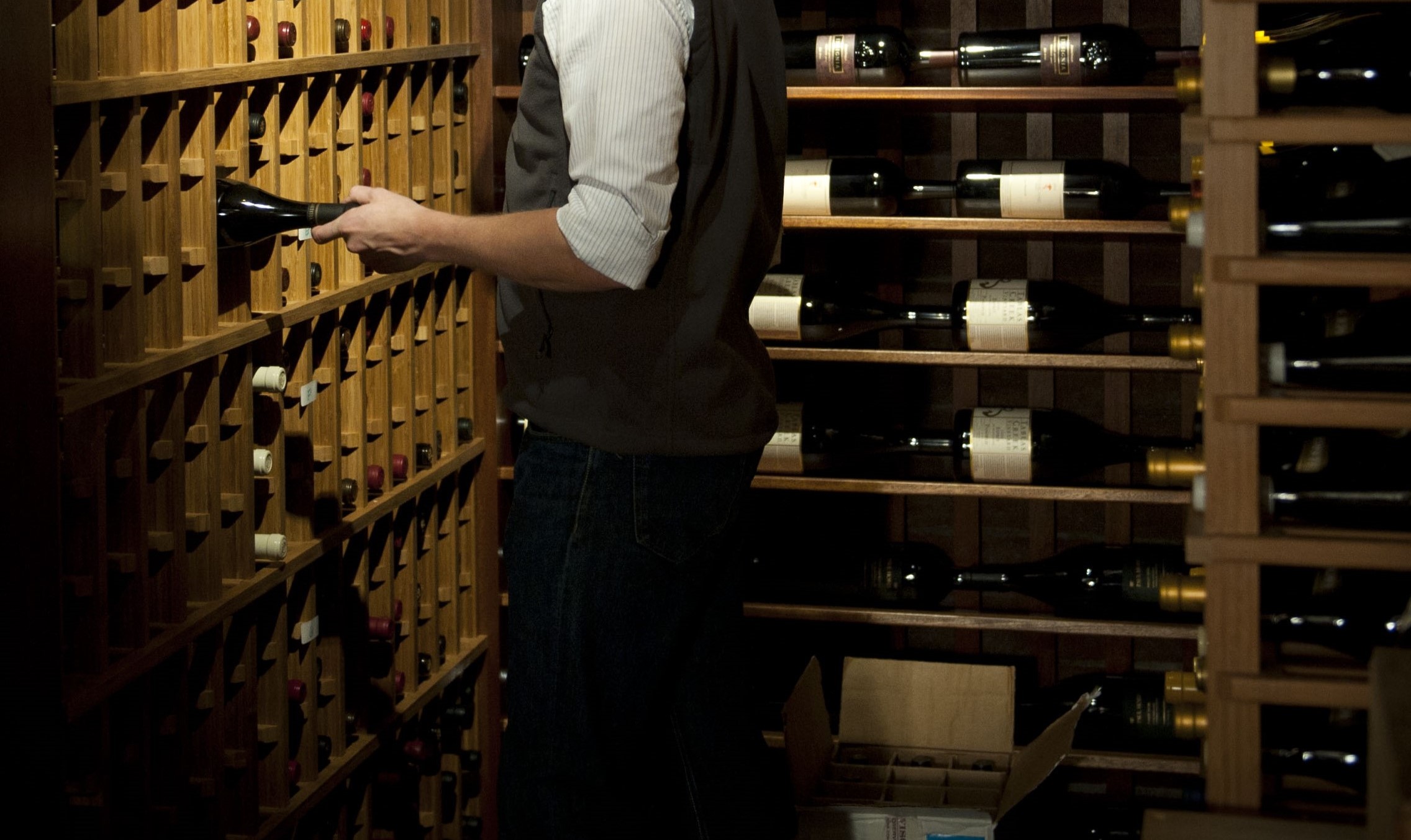
Bottle variation can never be eliminated, but excellent provenance reduces the range to its smallest possible window.
Professional storage ensures:
- Identical temperature
- Identical humidity
- Minimal light exposure
- No vibration
- Minimal handling
- Documented intake
- Controlled movement
When wines have lived their entire lives under these conditions, collectors see:
- Higher consistency
- Predictable evolution
- Better drinking experiences
- Stronger market value
This is why “stored since release in professional storage” is such a powerful phrase in the auction world.
How Collectors Can Manage Bottle Variation
Smart strategies include:
- Buying in quantity so you can track development
- Pulling a “check bottle” ahead of major events
- Avoiding single bottles from unknown provenance
- Favoring producers with meticulous bottling practices
- Trusting professional storage from acquisition to consumption
And most importantly:
Don’t judge an entire case by one bottle.
Variation is part of the beauty—and mystery—of wine.
Conclusion
Bottle variation is natural—but the most reliable protection is consistent, professional storage. UOVO Wine minimizes unpredictability by providing stable, documented conditions from intake to retrieval.