

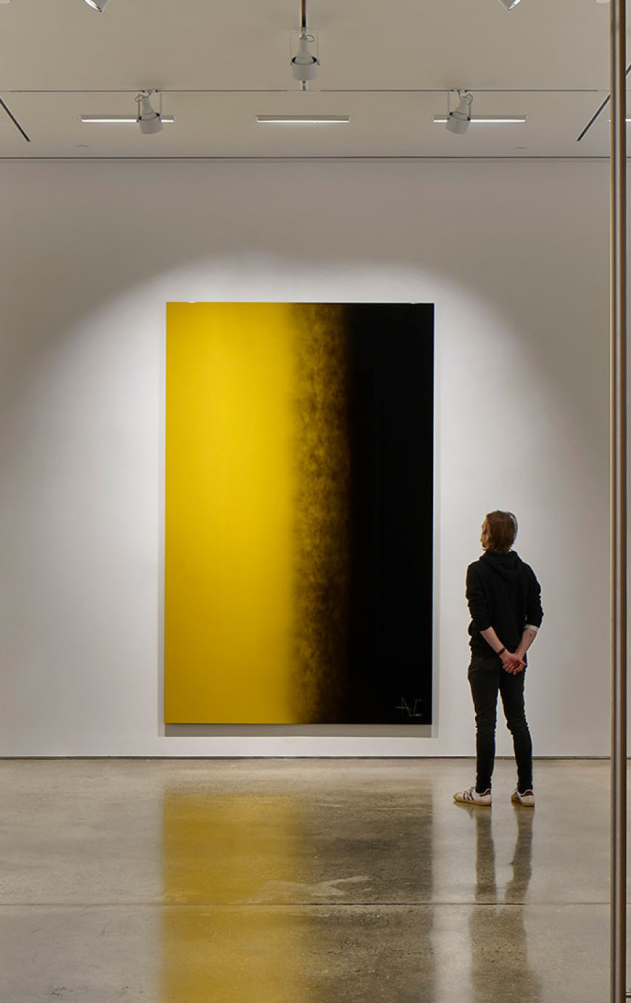

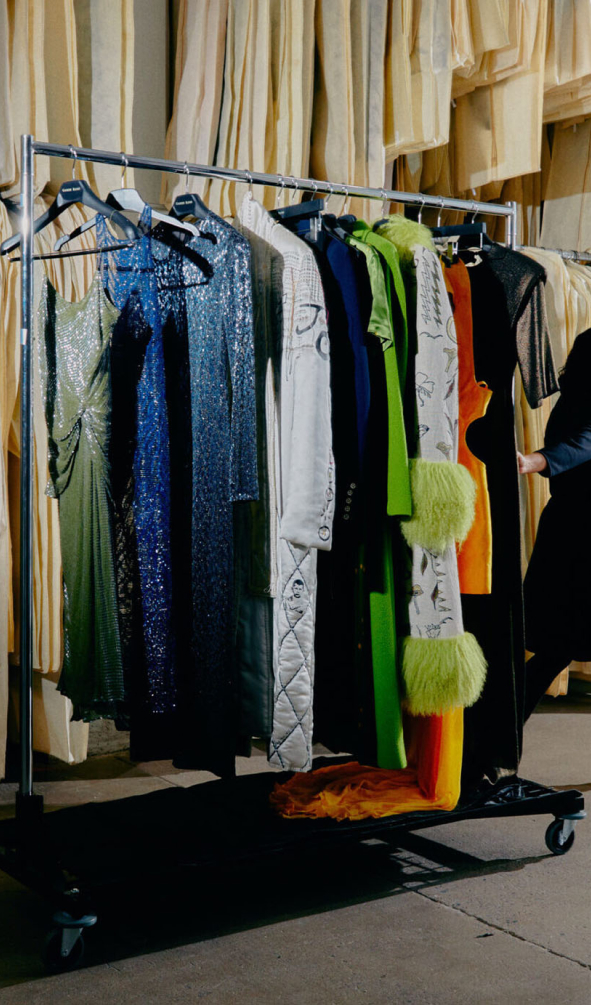



Art collecting is rarely a solitary act. Even when acquisitions are driven by personal taste, instinct, and passion, a collection inevitably becomes something larger:
A family story.
A cultural narrative.
A legacy.
Whether the works are contemporary, modern, or historical, a significant collection inevitably outlives the collector. What matters then is not just what was acquired, but how it was preserved, documented, organized, and prepared for the future.
This is where most collectors face a silent challenge they never planned for:
Their heirs may not know:
- what the collection contains
- how to care for it
- which works are valuable
- which pieces are fragile
- which pieces should be donated
- or which advisors to trust
Collections that took decades to build can lose coherence—or even value—within a single generation if not properly structured.
UOVO plays a critical role in ensuring collections remain stable, legible, and accessible for future generations. Through professional storage, digital documentation, expert logistics, condition oversight, and viewing galleries, UOVO creates a long-term stewardship framework that gives families clarity, control, and continuity.
This article explores how to build a multi-generational art legacy—and why UOVO has become the infrastructure behind the world’s most enduring collections.
I. The Reality: Why Most Collections Are Not Inheritable “As-Is”
Many collectors assume their heirs will automatically understand how to manage the collection.
In practice, they often face overwhelming obstacles.
1. Lack of Documentation
Heirs frequently inherit:
- dozens or hundreds of works
- with minimal records
- missing provenance
- no clear valuation history
- scattered invoices and emails
- unclear storage or care guidance
This creates confusion, stress, and risk.
2. Dispersed Storage Across Multiple Homes
High-net-worth collectors typically own homes in:
- New York
- Palm Beach or Miami
- Los Angeles
- Aspen
- Hamptons
- International residences
Art becomes fragmented across locations, sometimes forgotten or improperly stored.
3. Conservation Blind Spots
Heirs often do not know:
- which works require special care
- which materials are sensitive
- how environment affects value
- when conservation is needed
Surface damage or humidity issues may go unnoticed.
4. No Clear Strategy for What Should Be Sold, Donated, or Kept
Collectors often have:
- personal favorites
- investment pieces
- historically significant works
- sentimental acquisitions
- potential museum donations
Heirs rarely receive clear instructions.
5. Emotional Weight & Decision Paralysis
Art is emotionally charged.
Heirs may feel:
- overwhelmed
- afraid of making the wrong decisions
- unsure how to engage with advisors
- conflicted over sentimental pieces
A legacy requires structure—not assumptions.
II. The UOVO Framework for Multi-Generational Stewardship
UOVO provides the infrastructure needed to transform a personal collection into a legacy-ready asset. This includes:
- Museum-grade storage
- Expert registrarial documentation
- Digital inventory systems
- Private viewing galleries
- Conservation oversight
- Chain-of-custody management
- Logistics planning
- Support for estate attorneys and trustees
The result is a collection that is organized, protected, and understandable.
III. Centralizing the Entire Collection
The first step is consolidating all works into UOVO storage. This eliminates:
- environmental risks in homes
- confusion across locations
- duplicate records
- misplaced or forgotten pieces
Centralization creates clarity.
Benefits of consolidation:
- unified visibility
- consistent climate protection
- secure access
- simplified inheritance
- streamlined movement for future exhibitions
- improved valuation processe
For multi-home collectors, this step alone can be transformative.
Creating a Digital, Searchable Inventory
UOVO’s inventory systems track:
- artist
- title
- medium
- dimensions
- photographs
- condition reports
- packing and installation requirements
This becomes the “instruction manual” for the collection.
For heirs, this means:
- no guesswork
- no hidden surprises
- no lost documentation
- complete transparency
This database becomes the foundation of stewardship.
Establishing Categories for Future Use
Collectors—often for the first time—begin to categorize works with purpose:
1. “Legacy Works”
Pieces intended to remain in the family, valued for:
- emotional significance
- historical meaning
- artist relationships
- cultural relevance
2. “Museum or Foundation Gifts”
Works suited for:
- institutional donations
- public collections
- philanthropic purposes
3. “Investment Pieces”
Works held for:
- long-term appreciation
- strategic resale
- diversification of assets
4. “Rotational Display Works”
Pieces ideal for:
- seasonal home installation
- design-driven placements
5. “Deaccession Candidates”
Works that:
- no longer fit the collection
- could fund new acquisitions
- may be better placed elsewhere
Heirs receive clarity about intent—not mystery.
VI. Using Viewing Galleries for Family Education
UOVO’s viewing galleries become an essential space for:
A. Family Walkthrough Sessions
Collectors introduce heirs to:
- the most significant works
- the story behind key acquisitions
- the relationship with galleries and artists
- the evolution of the collection
These moments create connections and context.
B. Estate Planning Meetings
Attorneys and advisors meet onsite to:
- align documents with actual artworks
- assess documentation
- verify conditions
- discuss intended distribution
C. Conservation Reviews
Conservators assess:
- fragile works
- aging materials
- necessary interventions
Heirs learn the responsibility that comes with ownership.
VII. Professional Logistics for Smooth Transition
UOVO manages all future needs related to:
- home installations
- museum loans
- rotations
- valuation updates
- sales and consignments
- cross-country or international moves
This relieves heirs from the logistical burdens of managing a complex collection.
VIII. Case Studies: How UOVO Supports Multi-Generational Collections
Case Study 1: A Family with Homes in NY, Aspen & Miami
Problem:
- 400+ works stored across three homes
- heirs unsure of significance or value
Solution:
- consolidated into UOVO
- full inventory created
- viewing sessions held with both heirs
Result:
- clear succession plan and simplified estate transition.
Case Study 2: Art Intended for Museum Donation
Problem:
- lack of documentation slowed museum acceptance
Solution:
- UOVO produced intake photos, condition records, and provenance summaries
Result:
- museum accepted the donation seamlessly.
Case Study 3: A Collection at Risk in Florida
Problem:
- humidity damage and mold beginning on works on paper
Solution:
- immediate relocation to UOVO
- conservation treatments
- long-term preservation plan established
Result:
- works saved; heirs inherited a stable collection.
Conclusion
A collection becomes a legacy only through structure and intention.
Without documentation, clarity, and preservation, even world-class collections risk losing their meaning—or their value.
UOVO provides the foundation for long-term stewardship:
- climate perfection
- professional handling
- digital inventory
- private viewing environments
- curated rotation support
- conservation oversight
- estate planning resources
Collectors build the vision.
UOVO preserves the future.
This is how an art collection becomes a multi-generational legacy—secure, organized, understood, and prepared for the decades ahead.