


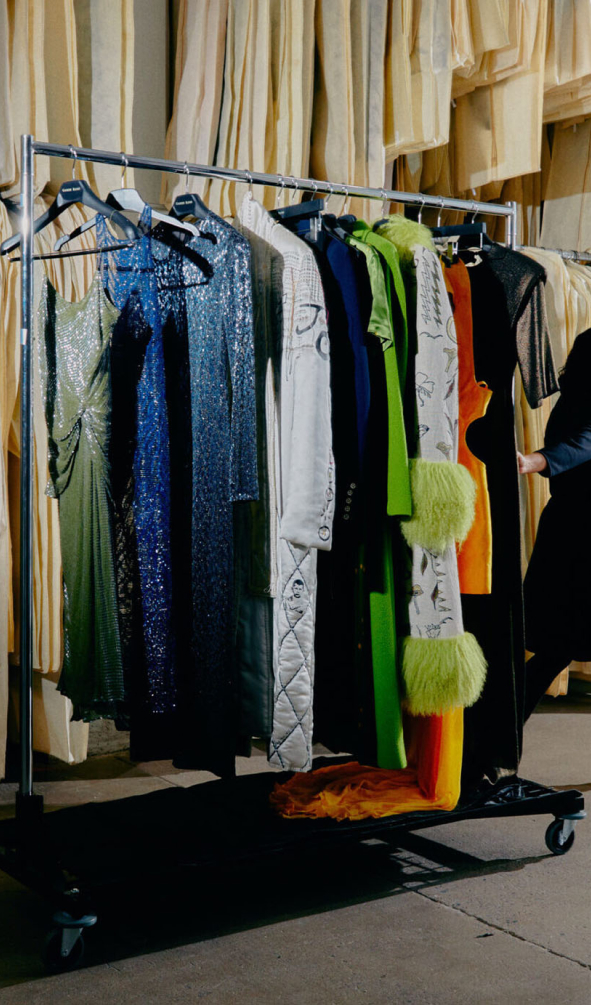




For many collectors, a home—no matter how large, well-designed, or art-forward—can never hold the full depth of their collection. Works rotate in and out. Pieces are stored in closets, basements, or guest rooms. Large installations wait years for the right space. Sculptures remain crated long after purchase. Diptychs and triptychs are separated across locations. Advisors request visibility, but logistics make it difficult.
Collectors often feel this tension deeply:
“I have a museum-level collection, but I don’t have a museum.”
UOVO solves that problem with a simple but transformative idea:
Give collectors private museum-quality spaces—without requiring them to own or operate a museum.
UOVO’s private viewing galleries allow collectors to:
- See artwork properly displayed
- Plan installations for multiple homes
- Host private showings
- Meet with advisors
- Photograph or document works
- Compare pieces side-by-side
- Curate groupings and rotations
- View art that has been in storage for years
This article explores how these viewing galleries function, why they matter, and how collectors use them to elevate their experience of owning art.
I. Why Private Viewing Galleries Matter More Than Ever
A. Collections Are Growing Faster Than Wall Space
Modern collectors often acquire:
- Multi-part works
- Large-scale abstracts
- Monumental sculptures
- Works requiring specific lighting
- Fragile pieces that cannot be displayed year-round
Homes can showcase only a fraction of the collection.
A viewing gallery brings the entire collection into the light.
B. The Traditional “Storage Visit” Isn’t Enough
Walking down aisles of racks or pallets inside a storage facility provides:
- No sense of scale
- No lighting control
- No opportunity to see works together
- No curatorial ability
- No emotional connection
Collectors want to experience art—not inventory it.
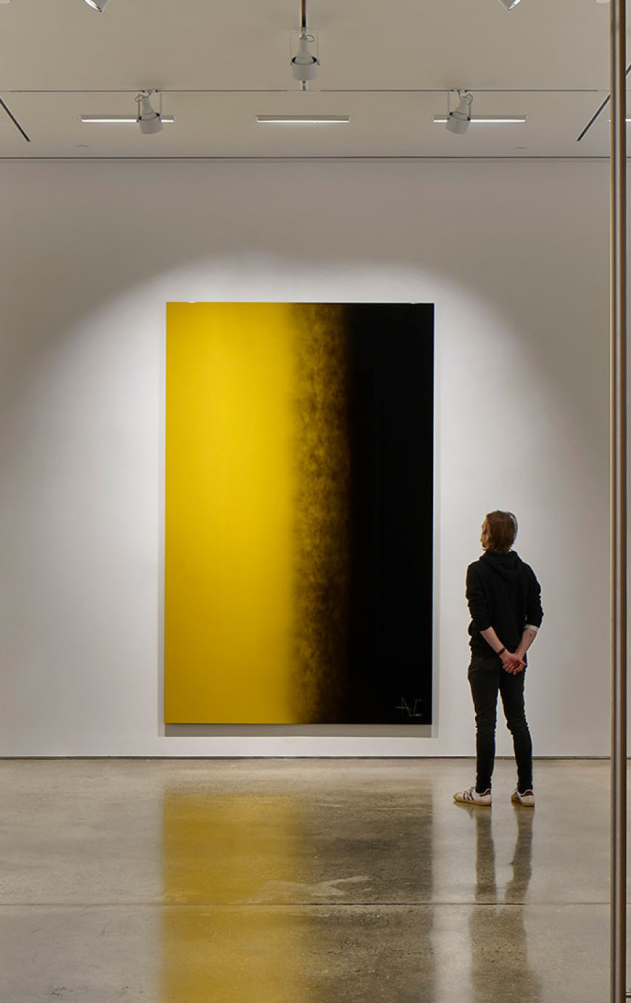
C. Viewing Galleries Resemble Museums—Not Warehouses
UOVO’s viewing rooms offer:
- Neutral, gallery-quality walls
- Professional lighting
- Climate control identical to museum standards
- Large open spaces
- Privacy and discretion
- The ability to stage dozens of works at a time
Collectors finally see their art as it was meant to be seen.
D. Advisors & Curators Need Physical Visibility
For advisors to do their work, they must:
- Understand scale
- Compare works directly
- Evaluate condition
- Build thematic groupings
- Make acquisition or deaccession recommendations
A viewing gallery becomes their professional workspace.
II. Anatomy of a UOVO Viewing Gallery
UOVO’s viewing galleries are not generic rooms.
They are built as micro-museums.
A. Size & Layout
Viewing rooms vary but often include:
- High ceilings
- Clean, neutral walls
- Configurable lighting grids
- Space for large-format works
- Open floorplans for sculpture
B. Museum-Grade Climate Controls
Each room maintains:
- 68–72°F temperature
- 50% humidity
- Clean airflow
- No direct sunlight
This creates an ideal environment for sensitive works.
C. Professional Lighting
Lighting systems include:
- Adjustable track lighting
- Color-balanced bulbs
- Low-UV output
- Spotlighting or diffused options
Collectors can test how works appear under different lighting environments.
D. Full Privacy
UOVO’s viewing galleries are:
- Closed-door
- Appointment-only
- Staff-supported but client-directed
- Secure and discreet
Collectors can host advisors, curators, or potential buyers without exposure.
III. How Collectors Use Viewing Galleries to Elevate Their Collections
1. Curatorial Planning for Multiple Homes
Collectors use viewing galleries to:
- Mockup arrangements for New York, Palm Beach, Aspen, or Palm Springs
- Preview seasonal rotations
- Rehearse combinations before installation
- Photograph wall plans for designers and staff
This prevents:
- Ineffective placements
- Multiple installation attempts
- Unnecessary transport
- Surprises during home installation
2. Reviewing Newly Acquired Works
When purchasing from:
- Galleries
- Fairs
- Auctions
- Private dealers
Collectors often request delivery to UOVO first.
In the viewing room they can:
- Uncrate pieces safely
- Inspect condition
- Compare to other works in the collection
- Decide which home the work suits
- Document the acquisition
This centralizes all new additions.
3. Advisor & Curator Strategy Sessions
Advisors use UOVO viewing rooms to:
- Plan acquisitions
- Organize deaccessions
- Build thematic frameworks
- Prepare collections for surveys or publications
- Evaluate conservation needs
This is where collections evolve.
4. Condition Reviews and Conservation Planning
Conservators may use viewing rooms to:
- Examine surfaces
- Conduct non-invasive tests
- Review cracks, craquelure, fading, or lifting
- Recommend treatment plans
- Discuss long-term preservation strategies
With controlled lighting and climate, assessments are more precise.
5. Private Sales and Off-Market Showings
Collectors, dealers, and advisors use viewing rooms to:
- Present works discreetly to potential buyers
- Stage small, curated exhibitions for VIP clients
- Host museum acquisition committees
- Share works before auction consignments
These spaces become private sales galleries for the most sophisticated buyers.
6. Photography & Documentation
Art photographers use these rooms to:
- Capture catalog-quality images
- Document works for insurance
- Prepare materials for publications
- Create condition archives
- Produce high-resolution files for estate planning
Controlled lighting ensures accurate imagery.
IV. Case Studies: Viewing Galleries Transforming Collector Workflows
Case Study 1: A New York Collector with 300+ Works
Problem:
- The collector could not view half of the collection due to limited home space.
UOVO Solution:
- Quarterly viewing sessions
- Seasonal home rotation planning
- Curatorial groupings building a cohesive visual narrative
Result:
- A more structured, satisfying, collecting life.
Case Study 2: A Palm Beach & Hamptons Collector
Problem:
- The collector struggled to visualize which works suited each home.
UOVO Solution:
- Side-by-side comparisons of works
- Lighting tests
- Room mock-ups
Result:
- Perfect seasonal exhibitions aligned with architectural style.
Case Study 3: Collector Preparing for a Major Donation
Problem:
- A museum needed to review works privately.
UOVO Solution:
- Museum committee previewed works in the viewing room
- UOVO coordinated condition reports and transport
Result:
- Smooth donation process with full confidentiality.
VI. Why Viewing Galleries Are Becoming Essential for Modern Collectors
✔ They make collections more accessible
✔ They strengthen curatorial insight
✔ They improve installation planning
✔ They support advisors and conservators
✔ They preserve art value by reducing unnecessary movement
✔ They enable privacy for acquisitions or sales
✔ They elevate the collector’s personal relationship with their art
Collectors report feeling more connected, more organized, and more empowered after using viewing rooms regularly.
Conclusion
For collectors who expect the highest level of care—and who desire a deeper relationship with their art—UOVO’s viewing galleries are transformative. They reveal the unseen, unlock the collection’s full narrative, and create a private museum experience without the cost, operational burden, or exposure of a public institution.
In the modern collecting world, visibility is power—and UOVO provides it in a way no home or storage unit can.
These spaces turn collections into living, evolving experiences.
They empower better decisions, better storytelling, and better stewardship.
They elevate the life of the collector.
And they elevate the life of the art.