



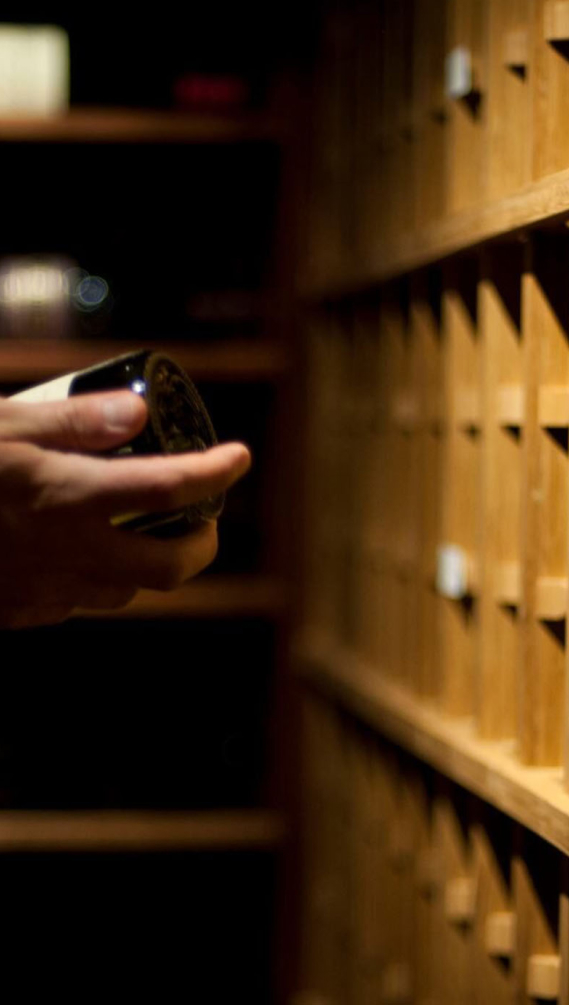


Vintage wine is one of the most rewarding categories for collectors. These bottles are not only valuable investments but also rare cultural artifacts that capture a specific year’s climate, terroir, and craftsmanship. Yet vintage wines are also among the most fragile in any collection. Their age makes them especially vulnerable to environmental instability — and one of the greatest threats during fall is heat damage.
As the season transitions from summer to winter, unexpected warm spells, unseasonable heat waves, and poorly managed climate systems can expose vintage bottles to conditions that undo decades of careful aging. This article explores why vintage wine is so susceptible to heat, how to spot early warning signs of damage, and how UOVO Wine provides the infrastructure and expertise to preserve these treasures for the long term.
Why Vintage Wines Are Especially Vulnerable
All wines are sensitive to temperature, but vintage bottles face heightened risks:
Delicate Structure
Over time, tannins soften, acids integrate, and fruit flavors mellow. While this creates harmony, it also makes the wine less resilient to stress. Heat accelerates breakdown in an already fragile structure.
Older Corks
Corks dry and shrink with age, reducing their ability to maintain a tight seal. Heat expansion worsens this issue, increasing oxygen intrusion.
Irreplaceability
Unlike young wines, vintage bottles cannot be replaced if spoiled. Their financial and cultural value increases with rarity.
How Heat Damages Vintage Wine
- Oxidation: Heat causes liquid expansion that compromises cork seals, allowing oxygen inside. The result is dull, flat wine with sherry-like aromas.
- Loss of Aromatic Complexity: Subtle notes of earth, spice, or dried fruit disappear, leaving muted flavors.
- Color Changes: Reds shift toward brownish hues; whites darken from pale gold to amber.
- Cork Failure: Protruding corks, seepage, and stained labels are common outcomes.
- Accelerated Aging: Heat speeds up all chemical reactions. A wine intended to peak in five years may deteriorate in five weeks if exposed to high temperatures.
Collector Scenario: The Unexpected Heat Wave
A collector stored a prized Burgundy collection in a coastal home. When a fall storm knocked out power for several days, the cellar’s temperature climbed above 75°F. Bottles showed no immediate signs of damage, but months later, the wines tasted flat and oxidized.
Another collector, who had preemptively moved cases into UOVO’s climate-controlled vault before storm season, avoided any loss. The bottles were digitally documented at packing and again upon unpacking, ensuring full condition verification.
Common Missteps with Vintage Wine in Fall
- Trusting Seasonal Norms: Assuming fall will be cool enough without active monitoring.
- Using Standard Wine Refrigerators: Consumer units cycle temperatures, destabilizing fragile vintages.
- Ignoring Cork Condition: Older corks are more susceptible to shrinkage and expansion.
- Shipping Without Climate Control: Transporting bottles during mild days, unaware of fluctuating truck or warehouse conditions.
Best Practices for Protecting Vintage Bottles
Collectors can take practical steps to minimize risk:
Stabilize Environment: Keep wine at 55°F, 70% RH, with minimal fluctuation.
Inspect Corks and Labels: Look for protrusion, seepage, or mold.
Use Archival Crates: Store bottles horizontally in custom cases that buffer against vibration and humidity swings.
Plan Logistics Carefully: Avoid moving bottles during unpredictable fall weather without professional climate-controlled transport.
How UOVO Protects Vintage Wines in Fall
UOVO Wine is uniquely positioned to safeguard fragile vintages:
- Climate-Controlled Vaults: Facilities maintain a constant 55°F and 70% RH.
- Redundant Power Systems: Backup generators prevent outages from destabilizing bottles.
- White-Glove Handling: Trained staff move bottles with conservation-level care.
This comprehensive approach eliminates the vulnerabilities vintage bottles face in transitional seasons.
Collector Scenario: The Auction Shipment
A collector consigned a lot of vintage Burgundy to auction. Using standard shipping, bottles experienced fluctuating temperatures during warehouse delays. Several corks seeped, lowering the lot’s hammer price by 25%. Another collector shipped through UOVO Wine’s climate-controlled logistics with digital inspection, ensuring bottles arrived intact and provenance unimpeachable.
The Stakes of Heat Damage
- Financial: Vintage wines often appreciate significantly over decades. Heat damage erases this value instantly.
- Cultural: A bottle of 1945 Bordeaux or 1961 Burgundy represents history. When spoiled, that history is lost forever.
- Personal: Collectors anticipate sharing vintages at milestones. Heat damage denies them that joy.
Preserving Rarity in Unstable Seasons
Fall should be a season of anticipation for collectors — of new vintages released, of bottles enjoyed during gatherings, of cellars stocked for the holidays. Yet it is also a time of instability, when unseasonable warmth or late heat waves jeopardize fragile vintages.
Protecting these bottles requires more than vigilance; it requires infrastructure designed for preservation. UOVO Wine provides that solution. With climate-controlled facilities, redundant systems, and white-glove logistics , UOVO ensures that vintage wines remain stable and secure. For collectors, this means not only protecting financial and cultural value but also preserving the irreplaceable joy of opening a bottle at its peak.