



Wine collecting is often discussed through the lens of provenance, rarity, and vintage quality. Collectors debate regions, producers, formats, and market performance with precision. Yet beneath all of these considerations lies a more fundamental factor—one that ultimately determines whether a wine reaches its full potential or quietly declines over time: environment.
Wine is not static once it is bottled. It continues to evolve, responding to temperature, humidity, light exposure, vibration, and oxygen intrusion. While wine collectors cannot control how a wine was made, they can control the conditions in which it ages. Stability, more than any single variable, is the foundation of serious wine stewardship.
Wine Is a Living System
Unlike most collectibles, wine remains chemically active for decades. Its aromas, texture, and structure develop through slow reactions that unfold gradually over time.
Temperature influences the pace of this evolution. Humidity affects cork integrity and the seal protecting the wine. Light alters compounds within the bottle, while vibration disrupts sediment and accelerates aging. Even small inconsistencies, when repeated, can permanently alter a wine’s trajectory.
What matters most is not achieving a perfect temperature but maintaining consistency. A cellar that fluctuates repeatedly will age wine faster—and less gracefully—than one that remains stable slightly outside the theoretical ideal.
What “Stability” Really Means in Practice
Wine collectors often focus on a single number—typically 55°F—but true stability is broader.
A stable wine environment includes:
- Consistent temperature with minimal fluctuation
- Balanced humidity to protect corks and labels
- Darkness to prevent light-related degradation
- Minimal vibration to allow sediment to settle naturally
- Systems designed to operate continuously, without interruption
When these elements work together, wine ages predictably and retains its intended character. When they do not, damage accumulates slowly and often invisibly.
The Limits of Residential Storage
Many wine collectors assume their home cellar provides sufficient protection. In reality, residential environments are designed for comfort, not long-term preservation.
Heating and cooling systems cycle throughout the day. Seasonal changes affect humidity. Power outages, renovations, and daily activity introduce variability that wine does not tolerate well over time.
Even thoughtfully built home cellars face inherent limitations. HVAC systems are rarely calibrated for year-round consistency, backup power is uncommon, and humidity control is often imprecise. These issues rarely cause immediate failure. Instead, they quietly shorten drinking windows, mute aromatics, and compromise structure—effects often blamed on the wine itself rather than the environment.
Why Serious Wine Collectors Centralize Storage
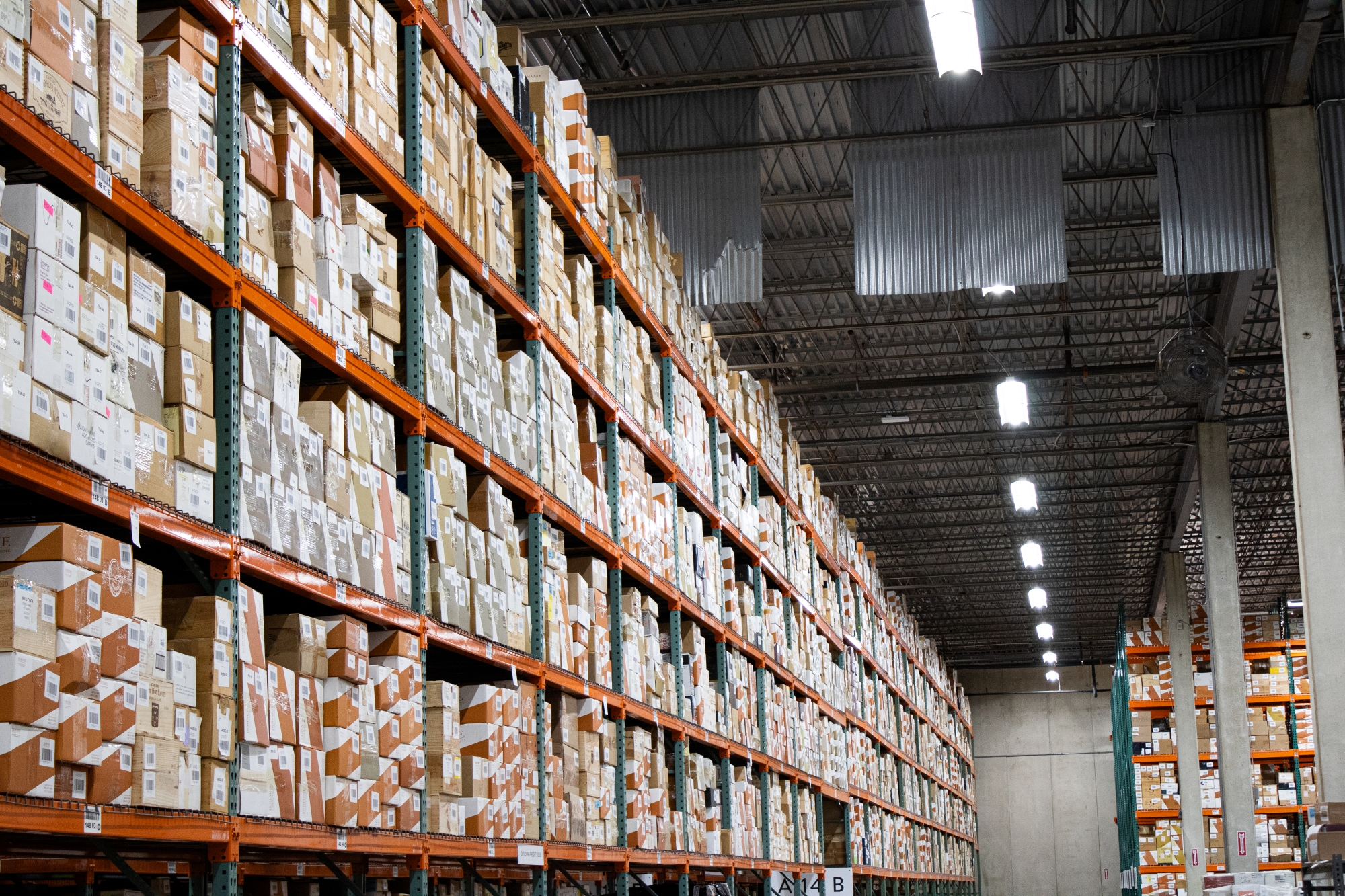
For this reason, serious collectors increasingly centralize the majority of their cellars in professional environments such as UOVO Wine, where stability is engineered into the system rather than managed reactively.
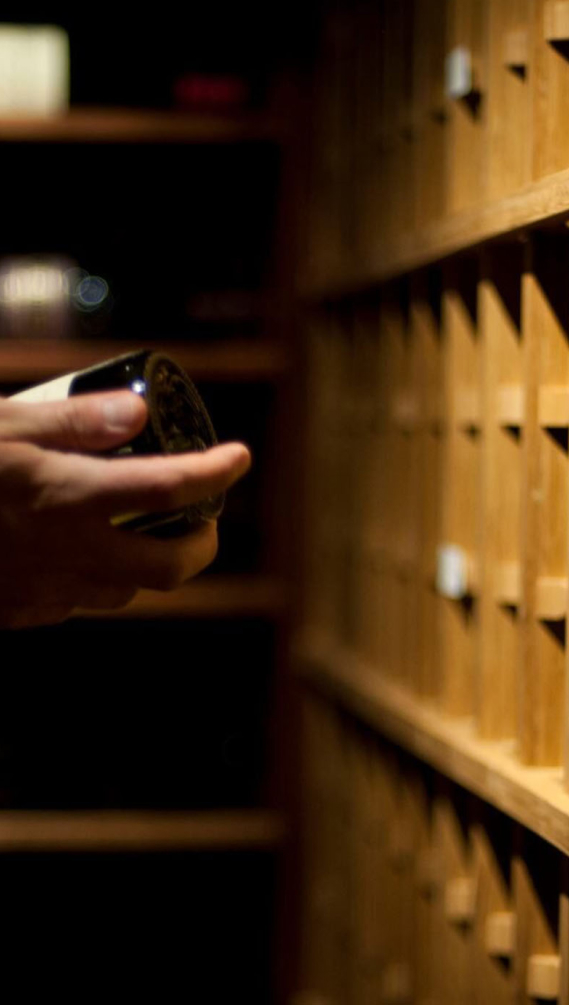
At UOVO Wine, temperature and humidity remain constant regardless of season. Light exposure and vibration are controlled, and backup systems protect against disruption. This allows wines to age under consistent conditions year after year.
Collectors then send curated selections to residences or events as needed, while allowing the core of the collection to remain undisturbed.
Environmental Stability and Long-Term Value
Storage conditions directly affect value. Auction houses and private buyers consistently favor wines with documented professional storage histories.
Bottles that appear similar on paper often perform very differently at sale depending on how—and where—they were stored. Label condition, capsule integrity, ullage, and confidence in aging history all influence buyer perception.
In this sense, environment becomes part of provenance. Stability protects not only the liquid in the bottle, but the credibility of the collection itself.
Multi-Home Living and Environmental Risk
Modern Wine collectors often maintain multiple residences, which increases exposure. Each move introduces handling risk. Each home introduces a new climate profile.
Many collectors address this complexity by maintaining a primary storage hub at UOVO Wine, distributing wines selectively rather than moving large portions of the cellar seasonally. Older or fragile bottles remain in professional wine storage, while more resilient wines travel as needed.
This approach minimizes cumulative risk while preserving flexibility.
Summary
Environment is the quiet force shaping every wine collection. While producer and vintage define potential, stability determines whether that potential is realized.
By prioritizing consistent storage conditions—often through professional infrastructures like UOVO Wine—collectors protect more than bottles. They protect time, intention, and long-term value.
When environment is treated as a foundation rather than an afterthought, wine is free to evolve as intended—gracefully, predictably, and over time.
Give your collection the environment it deserves by contacting UOVO Wine today.