




Art preservation is often associated with dramatic moments—damage, restoration, emergency intervention. In reality, most deterioration happens quietly over time, driven not by singular events but by environmental inconsistency. Temperature fluctuations, humidity shifts, light exposure, and vibration place continuous stress on artworks long before visible damage appears.
For art collectors, environmental stability is not a technical detail or a secondary consideration. It is the foundation upon which long-term preservation, value, and integrity depend. Understanding why stability matters—and how easily it can be compromised—allows collectors to protect their collections proactively rather than reactively.
Art as a Material System
Every artwork is a system of materials, each responding differently to its surroundings. Paintings on canvas or panel, works on paper, photographs, sculpture, textiles, and mixed-media pieces all expand and contract as environmental conditions change.
Paint layers respond differently than their supports. Paper reacts more quickly to humidity than oil paint. Wood, metal, adhesives, and composite materials expand at different rates. When temperature or humidity fluctuates, these materials move out of sync, creating internal stress.
Over time, this stress manifests as cracking, flaking, warping, delamination, surface distortion, or structural instability. The damage is often cumulative and irreversible—even if it remains invisible for years. Environmental instability does not announce itself immediately; it erodes integrity gradually.
What Environmental Stability Really Means
Environmental stability is not about achieving a perfect or static state. It is about consistency over time.
A stable preservation environment includes:
- Consistent temperature without frequent swings
- Controlled humidity appropriate to the materials involved
- Limited exposure to light, particularly ultraviolet radiation
- Minimal vibration and physical disturbance
- Systems designed to operate continuously, with monitoring and redundancy
Art can tolerate minor deviations. What it cannot tolerate is repeated change. A space that fluctuates daily or seasonally introduces far more risk than one that remains steady within a reasonable range.
Stability allows materials to remain in equilibrium, reducing stress and slowing natural aging processes.
The Limits of Residential Environments
Homes are designed for people, not for conservation. Heating and cooling systems prioritize comfort, not material preservation. Windows introduce light and UV exposure. Daily activity creates vibration, airflow changes, and localized heat.
Even well-designed residences present challenges:
- Seasonal humidity swings driven by HVAC systems
- Localized heat sources such as radiators or fireplaces
- Uneven insulation creating microclimates within rooms
- Limited environmental monitoring and no backup systems
Art collectors often assume that because their home feels stable, it is safe for art. Unfortunately, the thresholds for human comfort and material preservation are not the same. What feels acceptable to live in may be damaging over time to sensitive works.
Environmental Stability and Long-Term Value
Condition is inseparable from value. Collectors, institutions, insurers, and future buyers rely on confidence in an artwork’s physical integrity.
Environmental instability undermines that confidence. Even subtle condition issues can affect insurability, loan eligibility, resale potential, and long-term significance. Damage caused by environmental stress is often difficult to reverse and costly to address.
Stable environments protect not only the artwork itself, but also its documentation, condition history, and credibility over time. In this sense, environment becomes part of provenance.
Scale, Complexity, and Cumulative Risk
As collections grow, environmental risk increases. More works mean more materials, more variation in sensitivity, and more exposure points.
Collections distributed across multiple residences face compounded risk. Each location introduces a new environmental profile. Each movement between spaces adds handling stress and environmental transition.
Many art collectors address this complexity by maintaining the majority of their collection in professional environments such as UOVO Art, where temperature, humidity, light, and handling are controlled consistently year-round. This allows collectors to reduce cumulative exposure while preserving flexibility for display and use.
Preventive Conservation as a Philosophy
Modern preservation prioritizes prevention over repair. Once environmental damage occurs, options are limited and intervention may permanently alter the artwork.
Environmental stability is the most effective form of preventive conservation. By removing volatility, collectors slow deterioration without the need for invasive treatment. Art preservation succeeds not through constant intervention, but through restraint and consistency.
This approach respects artworks as objects meant to endure—not to be continually corrected.
Why Professional Storage Removes Seasonality
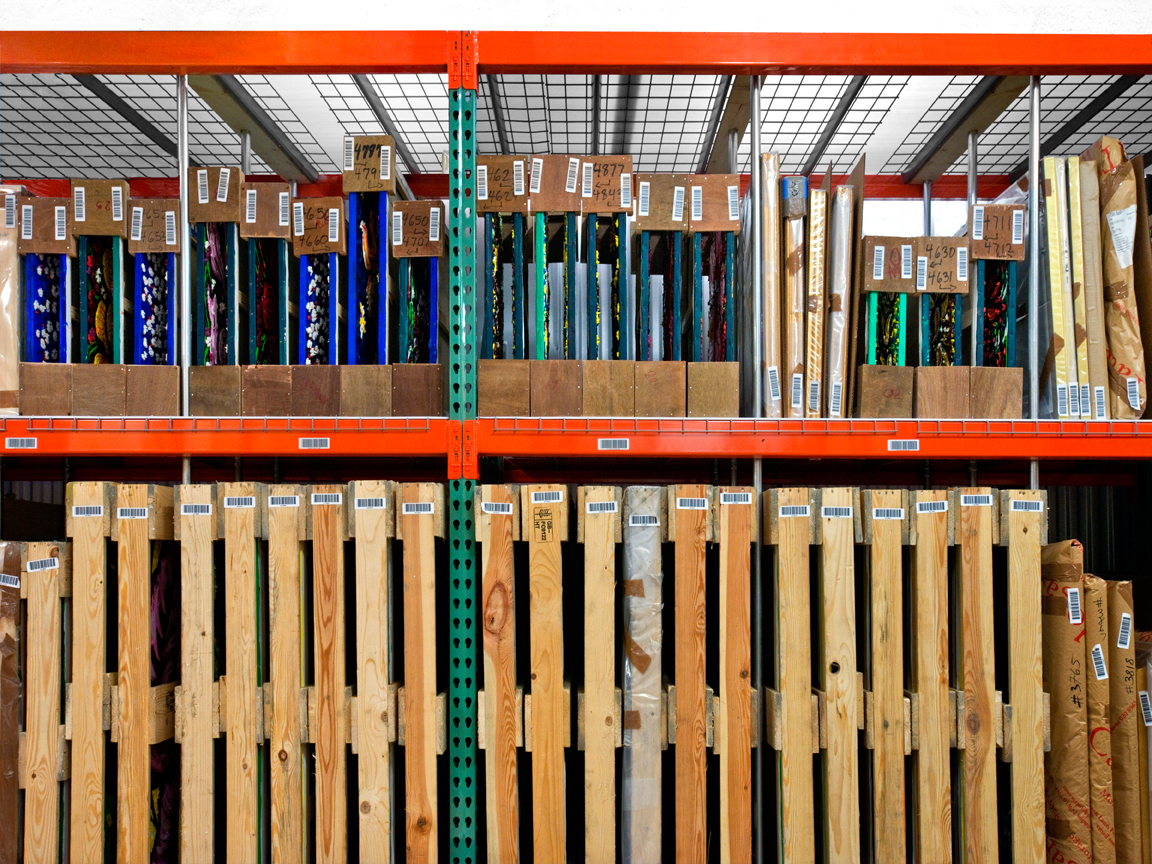
Professional art storage environments are engineered to eliminate seasonal impact entirely. Temperature and humidity remain consistent regardless of weather. Lighting is controlled. Vibration is minimized. Systems are monitored continuously and supported by redundancy.
Facilities like UOVO Art provide collectors with this level of stability, removing environmental uncertainty from the preservation equation. Works can be rotated, viewed, or installed intentionally—rather than in response to environmental pressure.
Professional storage does not diminish the experience of living with art. It protects it by ensuring that when works are displayed, they arrive in stable condition and with clear documentation.
Environmental Stability and Living With Art
Environmental stability does not imply that art should never be displayed in the home. Rather, it allows collectors to be more intentional about what is shown, when, and for how long.
By storing the majority of a collection in stable conditions at UOVO Art, collectors can curate their living spaces thoughtfully rotating works seasonally, selecting pieces appropriate to light and environment, and minimizing unnecessary handling.
This approach balances preservation with enjoyment.
Summary
Environmental stability is the quiet force that determines whether art endures or deteriorates. While dramatic events draw attention, it is daily consistency that shapes long-term outcomes.
By prioritizing stable conditions—often through professional infrastructures like UOVO Art—collectors protect more than objects. They protect integrity, context, and future significance. When environmental stress is removed, art is free to age naturally, retaining both its physical condition and its meaning over time.
Give your art collection the environment it deserves by contacting UOVO today.